
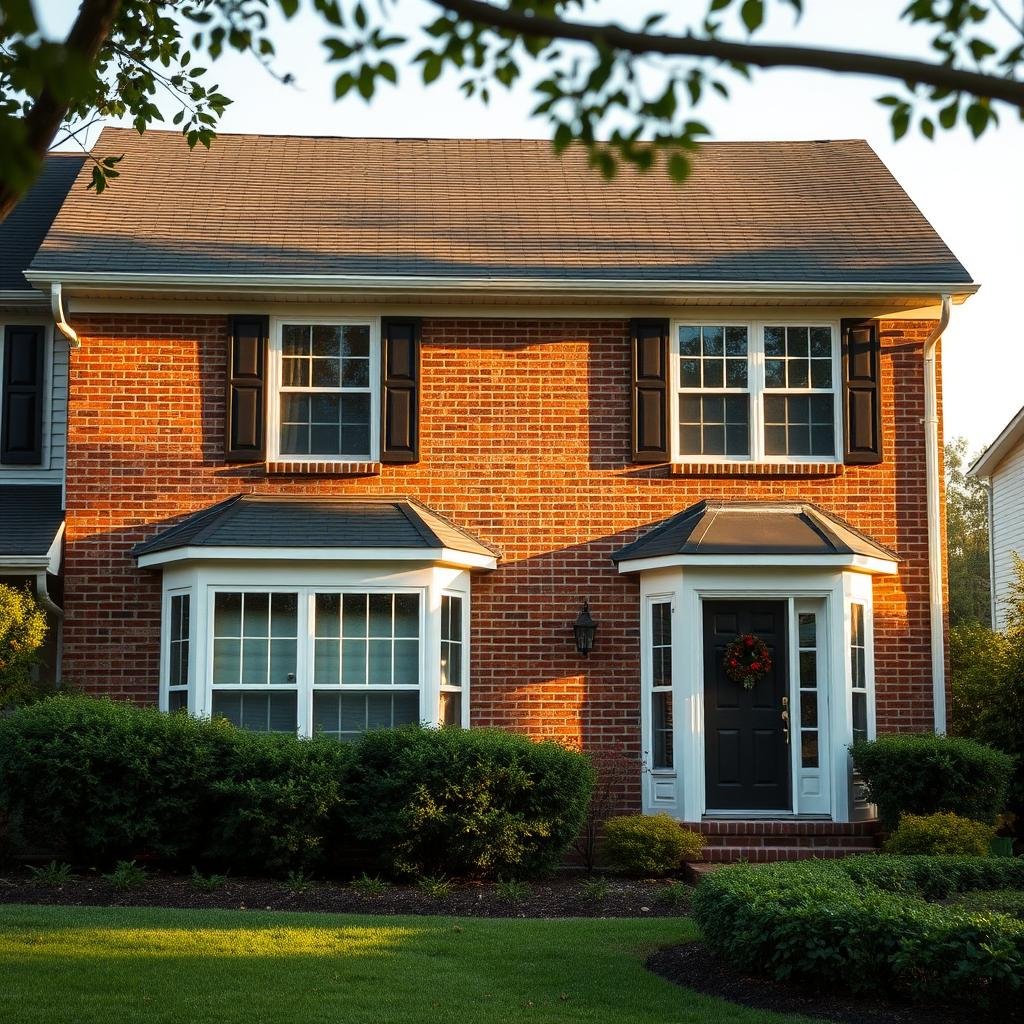
Film can cut heat, glare and fading. In a neighborhood with an HOA, it may also need a yes from the board. Here is how the rules work and how to ask so the answer comes back yes.
Where Your HOA's Rules Live
An HOA's rules are not one set for the whole state. Each community has its own papers. Look for three of them:
- The declaration, also called the covenants or CC&Rs. It is recorded with the county.
- The architectural guidelines. They list what needs approval and how to ask.
- The board's rules. Some boards add rules over time.
State law sits behind those papers. In North Carolina, most communities created on or after January 1, 1999 fall under the Planned Community Act, G.S. Chapter 47F. Under that Act, an HOA must give notice and a chance to be heard before it fines you (G.S. 47F-3-107.1).
In South Carolina, the Homeowners Association Act (S.C. Code Title 27, Chapter 30) says the HOA's governing documents and rules must be recorded with the county to be enforced.
This is general information, not legal advice. Your management company can send you the current documents.
What Boards Look At
An architectural committee looks at the house from the street. With film, three things change that view:
- Shine. Mirror or reflective films look like silver glass in the sun. That is the look boards notice first.
- Darkness. A very dark tint makes the windows look black from outside.
- Color. Some films look bronze, green or blue from outside.
Some guidelines also ask that all windows on one side look the same. One tinted window next to four clear ones can be a problem even with a light film.
Inside Film vs Outside Film
Most home film goes on the inside face of the glass. That is the side you can touch from the room. The film we quote goes there.
Outside films exist too. They are a different product, made to face the weather. We quote inside film.
Inside does not mean hidden. You see the film through the glass from the street. So the HOA question is the same either way: how does it look from outside?
On double-pane Low-E glass, the film must also be safe for the glass. That is why we quote ceramic film there. Our window film page explains the check we make first.
How to Ask for Approval
- Get the form. Ask the management company for the architectural request form and the current guidelines.
- Name the film. Give the maker and product name. Attach the maker's spec sheet. It lists how reflective and how dark the film is.
- Show the windows. List which windows get film. Add a photo of the house from the street.
- Offer a sample. If the board allows, a small piece on one pane shows the real look.
- Wait for the yes in writing. Keep the approval with your house papers.
A request that shows a light, low-reflective film on every window of one side is easy to read. That is the kind boards can say yes to quickly.
What to Send Us
Text us a photo of each window from inside, a rough size, and which way it faces. Add a photo of the house from the street. If your HOA has film rules, send a photo of that page too.
We send a free written quote with the film name.
What we do not promise
That your HOA will approve the film.
The board has the final word. We help you put together a clear request, but we cannot decide for them.
What your HOA documents say.
We are not lawyers and we do not read covenants for you. Your management company or a lawyer can answer that.
A price before we see the windows.
The ranges on this page are real. Your number comes from the size and count of your windows, in a free written quote.
What we do promise is written on the warranty page: 10 years on the glass we install, in writing.