
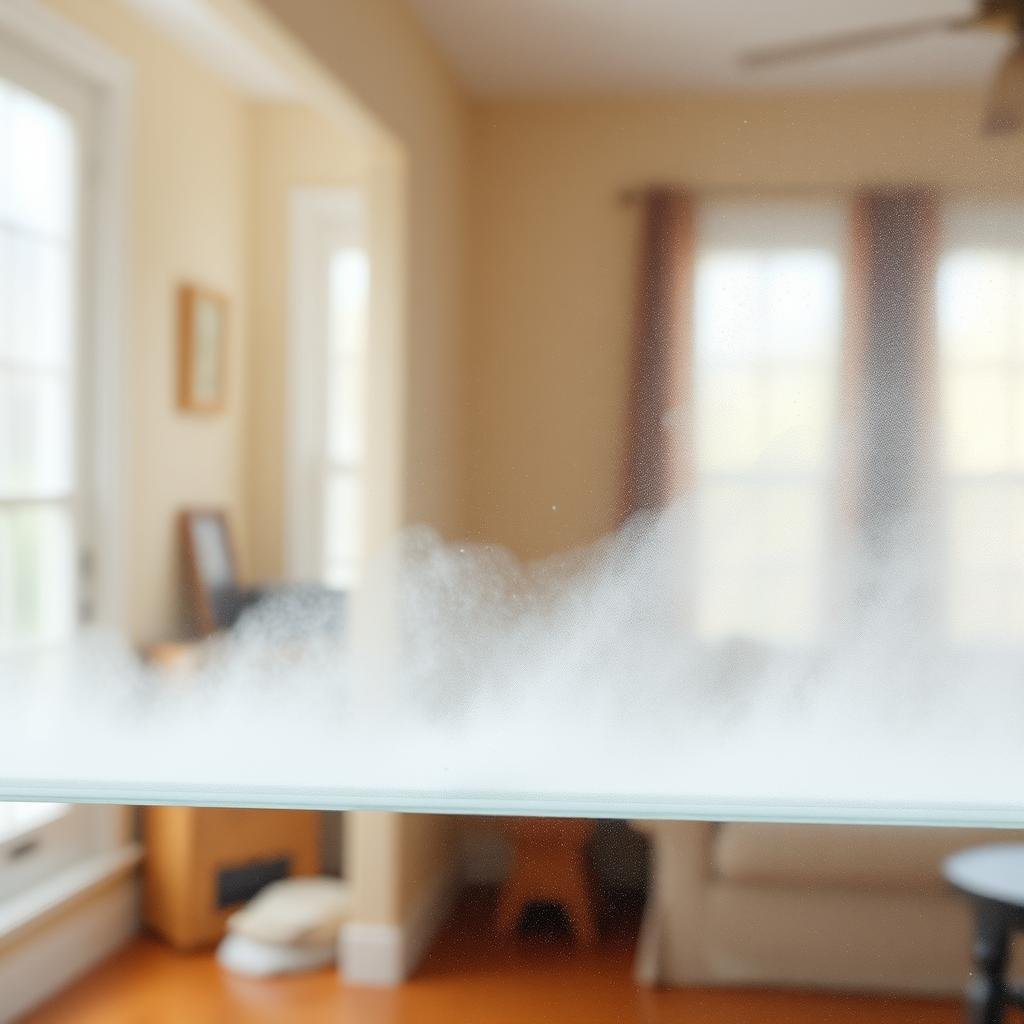
You are looking at your window and there is a cloudy, milky haze trapped between the two panes of glass. You cannot wipe it off from the inside or the outside. What is going on, and can it be fixed?
The answer is straightforward: the seal between your window panes has failed, and moisture has gotten inside. It happens to every double-pane window eventually, and the only permanent fix is replacing the glass unit. This guide explains exactly why it happens, what accelerates it, and what your options are.
The Short Answer
Windows get foggy between the glass because the airtight seal on the insulated glass unit (IGU) has failed. Every double-pane window has two sheets of glass bonded together with a sealant around the edges and filled with insulating gas (usually argon) in the space between. When that seal breaks down - which happens gradually over 15 to 25 years - moisture from the outside air enters the gap and condenses on the inner surfaces of the glass. That condensation is the fog you see.
This is not something you did wrong. It is not a manufacturing defect (unless it happens on very new windows). It is a normal end-of-life issue for any sealed glass unit. And the good news is that it is fixable without replacing the entire window.
Quick Answer
Foggy windows are caused by seal failure on the insulated glass unit. Moisture enters the space between the panes and condenses. The only permanent fix is replacing the glass unit (IGU replacement), which costs $365 to $825 for standard windows. You do not need to replace the entire window.
The Science Behind Foggy Windows
To understand why your window fogs, it helps to know how a double-pane window is built. There are three critical components:
1. The Sealed Glass Unit (IGU)
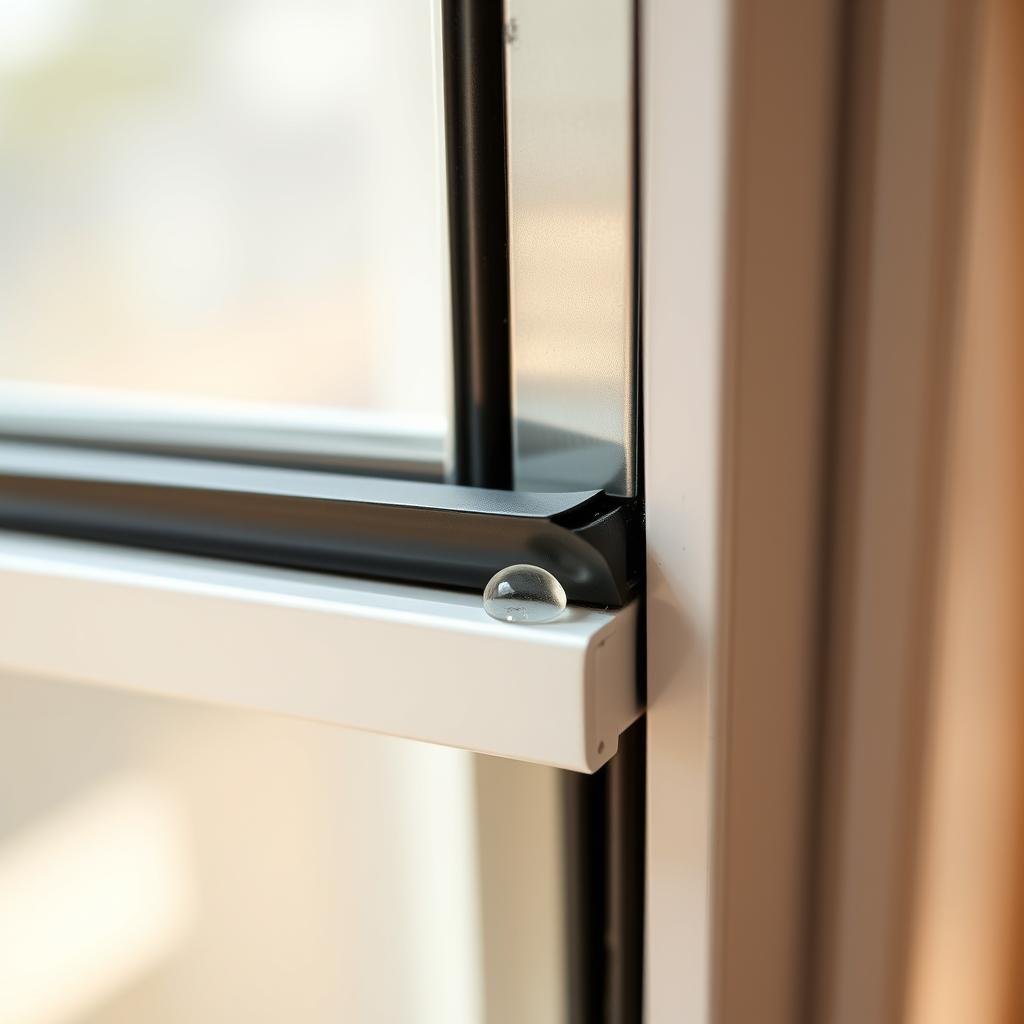
An insulated glass unit consists of two panes of glass separated by a spacer bar (usually aluminum or stainless steel). The spacer determines the gap width - typically 1/2 inch to 3/4 inch. The edges are sealed with a two-part sealant: an inner seal (polyisobutylene, or PIB) that blocks moisture, and an outer seal (silicone or polysulfide) that provides structural strength. Together, these seals create an airtight barrier.
2. Argon Gas Fill
The space between the panes is filled with argon gas, which is denser than air and conducts heat more slowly. This is what gives double-pane windows their insulating properties. Argon is an inert, non-toxic gas - it makes up about 1% of our atmosphere. When the seal fails and argon leaks out, it is replaced by regular air, which is slightly less insulating but not dangerous in any way.
3. Desiccant
Inside the spacer bar is a desiccant material - typically molecular sieve beads or silica gel - that absorbs moisture. Think of the little "do not eat" packets you find in shoe boxes, but built into your window's spacer. This desiccant is the last line of defense against fogging. Even after the seal starts to weaken, the desiccant absorbs any moisture that gets through, keeping the glass clear. It is only when the desiccant reaches full saturation that moisture accumulates between the panes and you see fog.
This is why fogging often seems to appear suddenly. The seal may have been slowly weakening for years, but the desiccant was quietly absorbing the moisture. Once the desiccant is full, the fog appears - seemingly overnight.
What Causes the Seal to Fail
Seal failure is not caused by one thing. It is the cumulative effect of multiple stresses acting on the seal over years. Here are the main factors:
Thermal Cycling (The #1 Cause)
Glass and metal expand when heated and contract when cooled - but they expand at different rates. The glass panes and the metal spacer bar between them are constantly pushing and pulling against the sealant as temperatures change throughout the day. On a hot summer afternoon in Charlotte, the glass on a sun-exposed window can reach 140-160 degrees Fahrenheit. By early morning, it may cool to 50-60 degrees. That 80-100 degree swing happens daily, and it adds up. Over 15 to 25 years, that is roughly 5,000 to 9,000 heating-cooling cycles, each one flexing the seal slightly.
UV Degradation
Ultraviolet radiation from the sun breaks down the organic compounds in sealant materials. This is why south-facing and west-facing windows almost always fail before north-facing and east-facing windows. The UV exposure is dramatically different - a south-facing window in Charlotte can receive 2 to 3 times more UV radiation annually than a north-facing window.
Moisture Exposure
Constant exposure to humidity and rain on the exterior side of the seal accelerates degradation. Windows that receive direct rain, are near sprinklers, or are on the weather-exposed side of the house may fail slightly earlier. Bathrooms and kitchens can also contribute more humidity on the interior side.
Negative Pressure (Pumping Effect)
As the gas between the panes heats up during the day, it expands and puts outward pressure on the seal. When it cools at night, it contracts and creates inward pressure. This daily "pumping" action physically works the seal back and forth, gradually loosening the bond. In some windows, you can actually see the glass bow inward when the gas has leaked out and atmospheric pressure pushes the panes together.
Manufacturing Quality
Not all seals are created equal. Premium window brands like Pella and Andersen typically use higher-quality sealants and more rigorous manufacturing processes, which is why their seals tend to last longer. Builder-grade windows may use thinner sealant applications or lower-grade materials. However, even the best seals have a finite lifespan - quality affects how long the seal lasts, not whether it eventually fails.
Charlotte's Climate and Window Seal Failure
Charlotte's climate is particularly hard on window seals, and there are several reasons why:
High Temperature Swings
Charlotte experiences all four seasons, which means wide temperature swings. Summer highs regularly reach the mid-90s (with some days exceeding 100), while winter lows drop into the 20s and occasionally the teens. That 70-80 degree annual range - combined with daily swings of 20-30 degrees - creates relentless thermal cycling on window seals. Cities with more stable temperatures (like coastal San Diego or tropical Miami) tend to see longer seal lifespans.
High Humidity
Charlotte averages around 70-75% relative humidity, especially in summer. This means there is a lot of moisture in the air surrounding your window seals at all times. Once a seal begins to weaken, the high ambient humidity provides a constant source of moisture ready to enter the gap between the panes. In drier climates, a weakened seal might take years to produce visible fogging because there is less moisture available. In Charlotte, the transition from "weakened seal" to "foggy window" happens faster.
Strong UV Exposure
The Charlotte metro area receives approximately 215 sunny days per year - well above the national average of 205. Combined with a relatively southern latitude (35 degrees north), windows here receive significant UV radiation, especially on south-facing and west-facing exposures. This UV load degrades sealant compounds faster than in northern cities with less sun exposure.
The Charlotte Building Boom Factor
Charlotte experienced massive residential construction during the early 2000s through the 2010s. Neighborhoods across South Charlotte, Waxhaw, Fort Mill, Indian Trail, and Matthews were built in this period. Windows installed during this boom are now 15 to 25 years old - right in the window seal failure zone. If your home was built between 2000 and 2012, you are in the peak age range for seal failures, and you are not alone. We see this across the entire Charlotte metro area.
The Age Factor: How Long Window Seals Last
Window seal lifespan depends on the quality of the materials and the environmental conditions. Here is a general timeline based on what we see in the Charlotte area:
| Window Quality | Typical Seal Lifespan | Common Brands |
|---|---|---|
| Builder-grade | 12 - 18 years | Silverline, American Craftsman, basic vinyl |
| Mid-range | 15 - 22 years | Simonton, Milgard, Jeld-Wen, Ply Gem, American Craftsman, ReliaBilt |
| Premium | 18 - 25+ years | Pella, Andersen, Marvin |
These ranges are based on our experience in the Charlotte climate. Windows in shaded locations or on north-facing walls may last longer. Windows with heavy sun exposure, especially on the south and west sides, tend to fail toward the earlier end of the range.
One important pattern: when one window in your home starts fogging, others usually follow within 1 to 3 years. This makes sense - if all your windows were installed at the same time and exposed to similar conditions, their seals are aging at roughly the same rate. Planning ahead and doing them in one visit saves real money: the first window carries the cost of the trip and every one after it is priced from $259.
Want a ballpark before you text us?
Foggy window repair from $365 (tax not included)
Two or more windows on the same visit: from $259 each. Standard windows up to about 30" x 30"; larger glass is priced by size, and tax is extra.
Get an instant estimate with our cost calculator, or request a free no-pressure quote. Either way, the price we quote is the price you pay - the glass, the install, and the trip in one number. No franchise markup, no surprise charges, no add-on sheet at the end.
The Only Permanent Fix: IGU Replacement
Once a window seal has failed and fog has appeared between the panes, the only permanent fix is replacing the insulated glass unit (IGU). This means taking out the old, failed glass unit and installing a brand-new one with fresh seals, new desiccant, new argon gas fill, and matched Low-E coating.
This is what we do at Carolina Glass Replacement. We remove the failed glass from your existing window frame and install a new IGU built to your window's exact specifications. Your frame, hardware, and trim are untouched. The result is a window that looks and performs like it did when it was brand new.
Standard Windows
$365 - $825
per window, installed
- New IGU with argon gas and Low-E coating
- About an hour per window to install
- 10-year warranty on seal failure
Pella / Andersen Windows
$395 - $980
per window, installed
- Proprietary sizes and configurations matched
- Hands-on experience with these systems
- Same 10-year warranty
Independent service. Genuine Pella product supplied through Pella Carolina Inc.; not affiliated with or certified by Andersen or any other manufacturer.
After we measure, the new glass takes about 6 to 10 days to make, and we set the install as soon as it arrives. For a full breakdown of how the process works, see our guide on replacing just the glass in a window. For detailed pricing in the Charlotte area, check our foggy window repair cost guide.
What are your foggy windows costing you every year?
Two taps: how many windows are foggy, and how you heat your home. We'll estimate the yearly energy waste vs the one-time fix.
Estimated range derived from U.S. Department of Energy window heat-loss data, scaled per window and rounded down. Every home is different - we confirm on site, free.
Foggy Window Myths Debunked
There is a lot of bad advice on the internet about foggy windows. Let us set the record straight on the most common myths:
"Defogging treatments permanently fix foggy windows."
Reality: Defogging (drilling a hole, spraying cleaner between the panes, and plugging the hole) is a temporary cosmetic fix. It may clear the fog for a few months to a couple of years, but it does not repair the broken seal. Moisture will re-enter. Worse, the hole drilled in the glass can create a new weak point. The defogged window also has no argon gas, so its insulating performance is permanently reduced. We do not offer defogging because we do not believe in selling temporary fixes.
"You can DIY fix foggy windows with a hair dryer or dehumidifier."
Reality: A hair dryer or dehumidifier can temporarily reduce surface condensation, but they cannot remove moisture from between sealed panes of glass. The fog is trapped inside the glass unit, not on the surface. No amount of external heating or drying will fix it. The only way to address the moisture is to replace the glass unit entirely.
"Foggy windows mean you need to replace the whole window."
Reality: This is the most expensive myth in the window industry. In roughly 85% of cases, the frame and hardware are in perfect condition - only the glass has failed. Replacing the entire window because the glass seal broke is like buying a new car because you need new tires. Glass-only replacement costs $365 to $825 for standard windows, vs. $834 to $1,823+ for full window replacement. For more on this, see our detailed repair vs. replacement cost comparison.
"Foggy windows are dangerous or a health hazard."
Reality: Foggy windows are not dangerous. The moisture is trapped between two sealed panes of glass and cannot enter your home. The argon gas that leaked out is non-toxic and makes up 1% of the air you already breathe. Foggy windows are an aesthetic and energy efficiency issue, not a health or safety concern. That said, you should still fix them - they reduce your window's insulating ability and can affect your home's appearance and resale value.
"Drilling a small hole in the glass will let the moisture evaporate."
Reality: Some DIY advice suggests drilling a hole in the outer pane to "let the moisture out." This is a bad idea for several reasons. First, drilling tempered glass will cause it to shatter. Second, even if you successfully drill annealed glass, you permanently break the sealed unit. Air, dust, insects, and more moisture can now freely enter. Third, any insulating value the window had is gone - you now have two panes of glass with an open hole between them. Do not do this.